EVERYTHING YOU NEED TO KNOW - DARTS EQUIPMENT
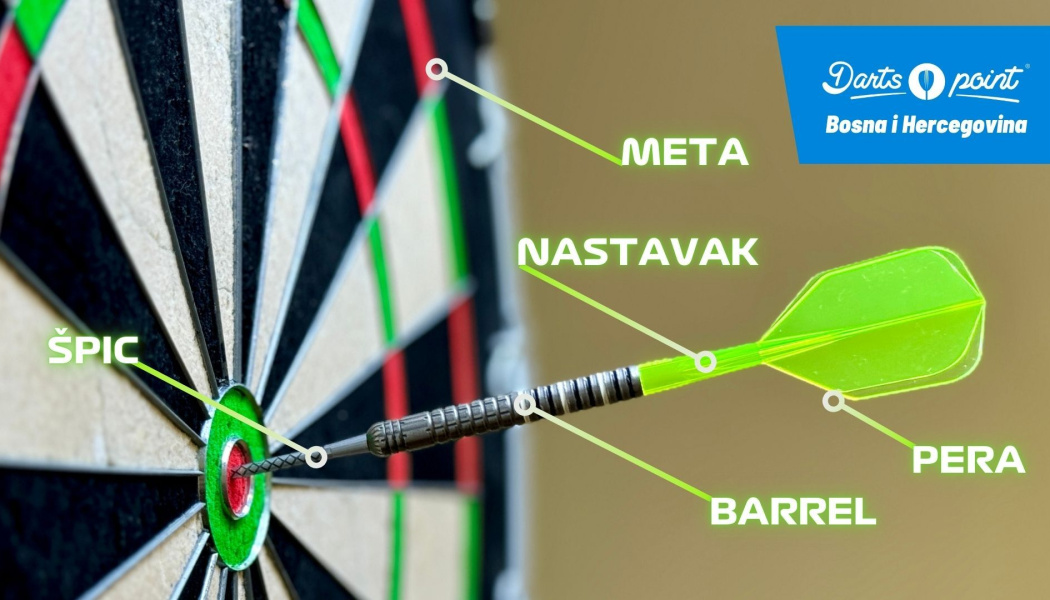
The dart is the central part of the game of darts, and its construction is adapted to ensure precision, stability and durability. Although it seems simple at first glance, the arrow consists of several key parts, each of which has a specific function and can be personalized according to the player's needs. Below we will analyze each part of the arrow in detail.
1. Point
The tip, also known as the tip, is the part of the arrow that directly hits the target. Its primary function is to anchor the target, allowing the arrow to stay in place. The types of spikes vary depending on the type of target used:
- Steel Tip: These tips are made of high-quality steel and are used for classic targets, which are made of sisal, a natural fiber that allows the tip to penetrate easily and stay fixed. Steel spikes are known for their durability and longevity, which makes them ideal for professional players and competitions. Their main disadvantage is that they can damage the floors if they fall, so the use of protective pads is recommended. Most arrows specifically created for classic targets have this tip built into them, while the soft version of the arrow can also be fitted with a conversion point like the one in the picture.

- Plastic tips (Soft Tip): These tips are made of plastic and are used for electronic targets, which have holes into which the tip goes. Plastic spikes are more flexible and less sharp, which makes them safer to use at home, especially if children are involved in the game. However, they are more prone to breakage and wear, so they need to be changed more often.

There are also tips that can be replaced, known as replaceable tips . They allow players to replace damaged or worn out points without having to purchase new darts. This is useful for those who play regularly and want to extend the life of their darts.
2. Body of the dart ( Barrel)
The barrel is the central and heaviest part of the dart, which the player holds when throwing. Its weight and shape directly affect control and precision when playing. There are three main types of materials from which pipes are made:
- Brass: Brass tubes are the most affordable and are usually used in beginner sets. Their main advantage is price, but they are usually wider and lighter than barrels made of other materials, which can make it difficult to group arrows on target.
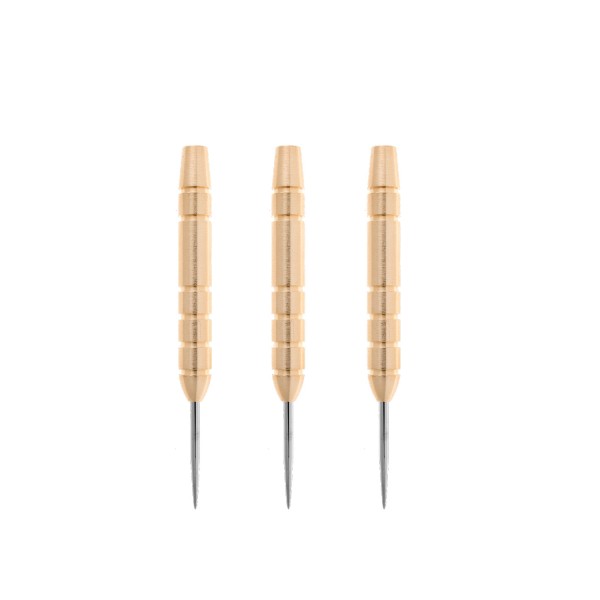
- Nickel-Silver: This material is more durable than brass and has better wear resistance. Nickel-silver tubes are thinner and heavier, which allows for greater precision, but they are still affordable.
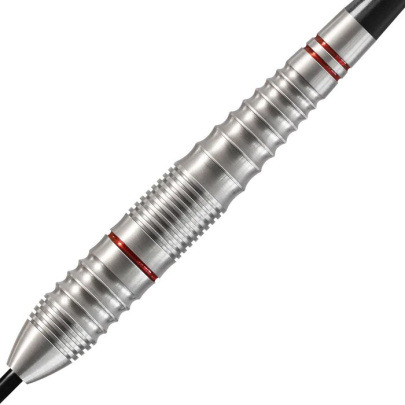
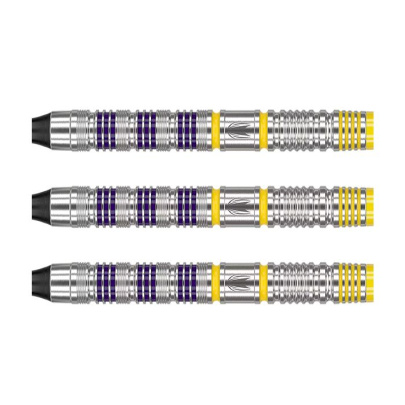
- Tungsten: Tungsten is the most popular material for professional tubes. Its high density allows the tubes to be extremely thin while retaining weight. This is important because the thinner barrel allows for better placement of the arrows on the target, reducing the chance of the arrows bouncing off each other. Tungsten tubes come in varying percentages of tungsten (usually between 70% and 95%), with a higher percentage meaning a thinner and heavier tube.
3. Shaft
The shaft is the part of the arrow that connects the barrel and flight, and its design affects the balance of the arrow. There are different materials and extension lengths, each with its own advantages:
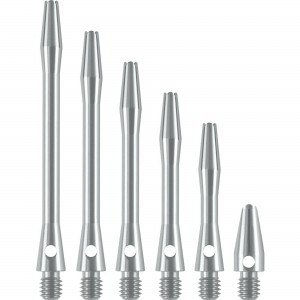
- Aluminum shafts: These shafts are extremely durable and offer stability, but are heavier, which can affect the arrow's flight speed. They are great for players who prefer heavier darts and want more flight control.
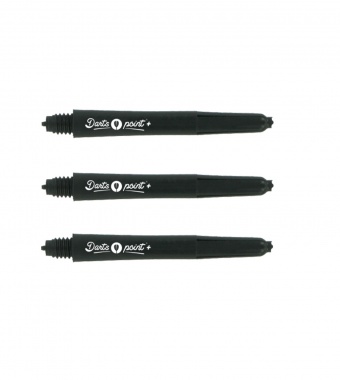
- Plastic shafts (Plastic, nylon, polycarbonate): Plastic shafts are lighter and more flexible, which enables a faster arrow flight. However, they are more prone to breaking, especially during intense gaming. Their main advantage is the price and the possibility of easy replacement.
- Carbon shafts: Carbon offers a compromise between aluminum and plastic, providing a combination of durability and flexibility. Carbon shafts are also more resistant to bending and cracking, making them a popular choice among players.
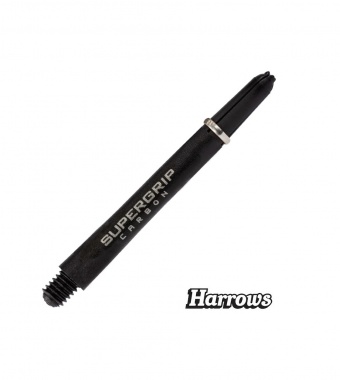
The length of the shaft plays an important role in the behavior of the arrow. Shorter shafts allow for a faster flight and more control, while longer shafts provide a more stable flight and are more suitable for players who prefer a slower, more precise style of play. Some of the basic lengths are Short, Intermedium, Medium.
4. Flights
Flights are an important part of the arrow because they stabilize its flight. When throwing, the flights create aerodynamic resistance, keeping the dart in a stable position. Flights vary in size, shape and material. Currently, there are a large number of different shapes and materials on the market, but the basic shapes are:
- Standard (No2): These are the largest flights and the most used. Their size provides maximum stability but slows down the arrow's flight, which may suit players who prefer accuracy over speed.

- Small (No6): Small flights reduce air resistance, allowing the arrow to fly faster. This is ideal for players who want a faster throw and a more direct arrow flight.

- Slim: Smaller lights reduce air resistance, enabling faster arrow flight. This is ideal for players who want a faster throw and a more direct arrow flight.

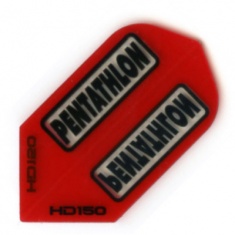
Flight materials vary from thin plastic films to heavier and more durable materials. Some flights have textured surfaces that further affect the aerodynamics of the dart. Some examples of flights thicknesses are 100 microns (standard), 150 microns (thicker and heavier) as well as 180 microns, this applies to lights made of nylon/flexible material.
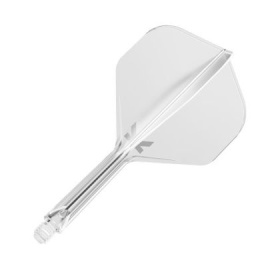
While recently, "Molded" flights made of hard plastic that join the shaft and flights together are increasingly popular on the market:

5. Dart targets: Types and differences
The dart target is a key element of the game, and its choice can significantly affect the experience and quality of the game. There are two main types of targets: those for steel type arrows and those for electronic arrows. Each type has its own specifics, advantages and purpose.
5.1. Steel tip darts
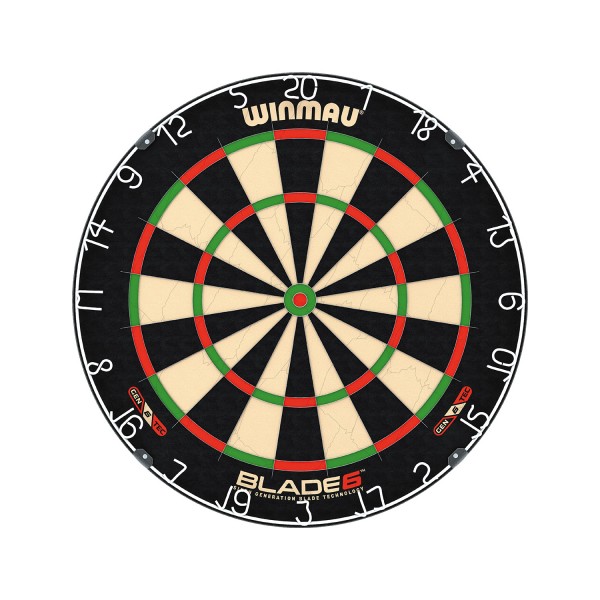
Steel tip targets are traditional dart targets and are most often used in professional and recreational leagues. These targets are made of high-quality sisal, a natural fiber that allows the steel spikes to anchor firmly in the target without damage. Sisal has the ability to self-heal after the arrow is drawn, thus extending the life of the target.
- Classic target: These targets are standard for steel type games. Their diameter is 45 cm, and the inner bullseye has a diameter of 12.7 mm. The target consists of differently colored segments, each with a different point value. A quality bristle brush can last a long time, even with regular use.
- No-bounce wire: In modern steel type targets, a thin, triangular wire is used that separates the segments and reduces the possibility of the arrow bouncing. This increases accuracy and reduces frustration during gameplay.
5.2. Elektronic targets
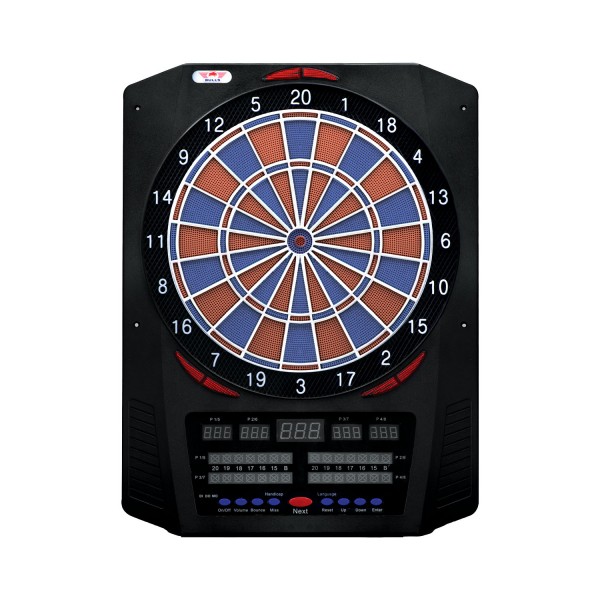
Electronic targets are specialized for soft type darts, which have plastic tips. These targets are popular at home, because they are safer for children and beginners.
- Plastic construction: Electronic targets are made of solid plastic, with thousands of small holes for the spikes to enter. Internal sensors detect a hit and automatically add up points, which makes the game simpler and faster.
- Variety of games: One of the biggest advantages of electronic targets is the ability to play different games with different rules. Many electronic targets come with pre-programmed games, such as cricket, 301, 501 and others, which provide more fun and challenge.
6. Dimensions and settings of the dartboard
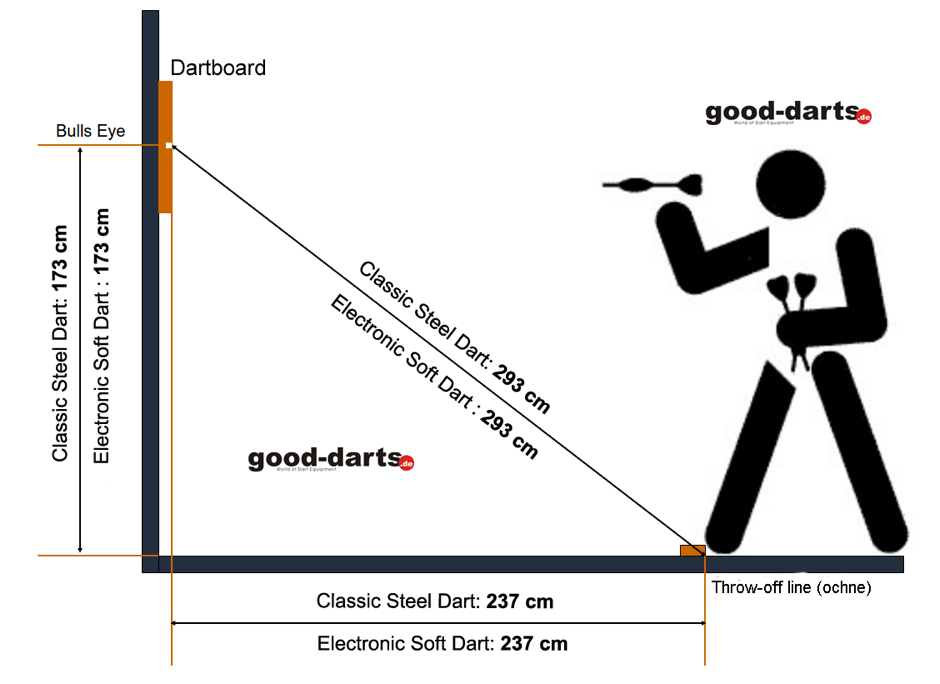
- Height of the center of the target: The center of the target, known as the bullseye, should be placed at a height of 173 cm from the floor.
- Throwing distance: The distance from the front of the target to the throwing line (called the oche) should be 237 cm, while from the center of the target (bullseye) to the throwing line diagonally should be 293 cm.
- Target size: The standard dart target size is 45 cm in diameter, while the inner bullseye is about 12.7 mm in diameter. The segments on the target are clearly colored and numbered, with different point values.
Proper setting and adherence to these dimensions allows players to develop their skills and play under the same conditions as in competitions
7. Frames for dart targets (Surround) and lighting
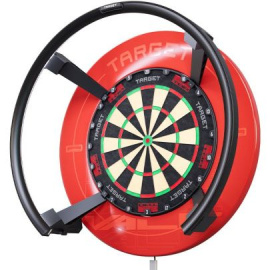
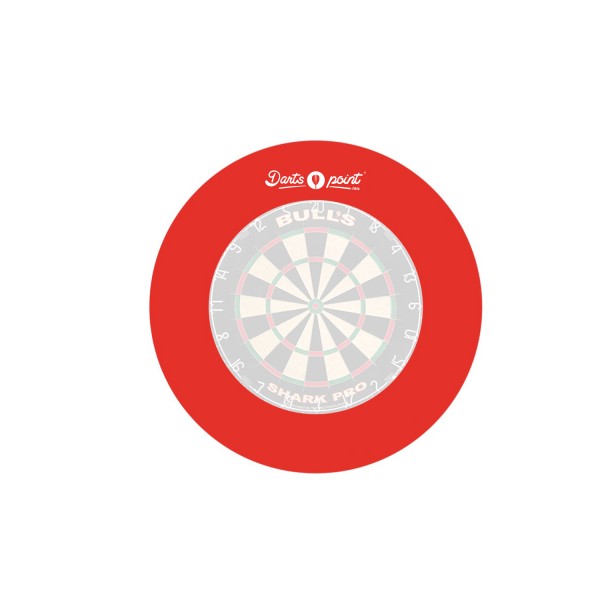
A dartboard frame, also known as a surround, is an additional piece of equipment used to protect the wall and darts. The surround surrounds the target, protecting the wall from missed throws and at the same time protecting the arrowheads from damage.
- Frame Material: A surround is usually made of rubber or high-density foam, a material that can absorb the impact of darts and prevent them from being damaged. Rubber frames are more durable and wear-resistant, while foam frames are lighter and easier to install.
- Design and Color: Surrounds come in a variety of colors and designs, allowing players to choose the one that best suits their space or aesthetic preferences. Some surrounds also have additional functions, such as dart holders or scoring.
Lighting for dart targets
Lighting plays a key role in the game of darts, enabling clear and precise sighting of the target. Ideal lighting is even and without shadows, which ensures optimal conditions for playing.
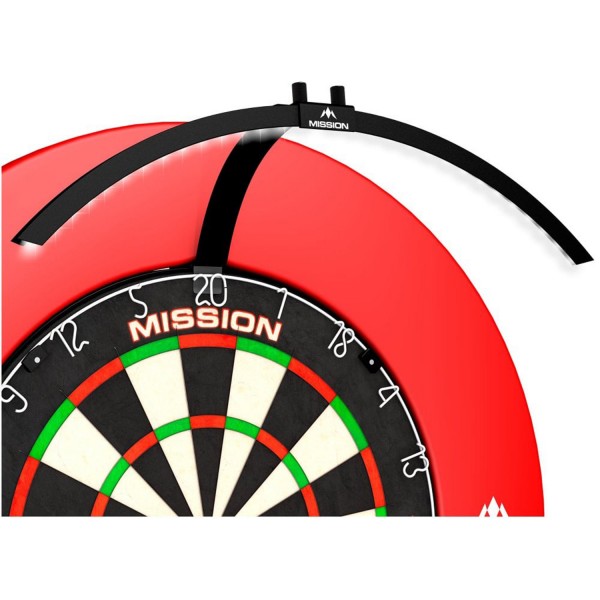
- Types of lighting: LED lighting fixtures that provide strong and even light are most often used. LED strips or rings surround the target, illuminating the entire surface without creating shadows. This is important because shadows can interfere with a player's accuracy and concentration.
- Lighting position: The lighting should be positioned so that it does not blind the player, but fully illuminates the target. Ideally, the light should come from above or from the sides, evenly illuminating the target.
8. Additional extras
There are a number of accessories that can improve the performance and durability of arrows:
- Flight Protectors: These accessories protect nibs from damage during play, extending their life. The guards are placed on top of the nibs and prevent them from splitting.
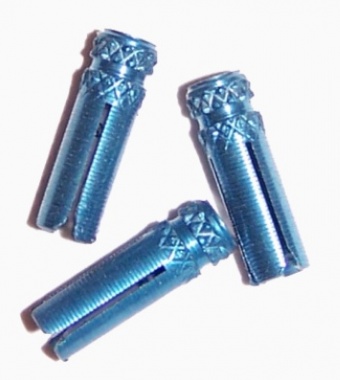
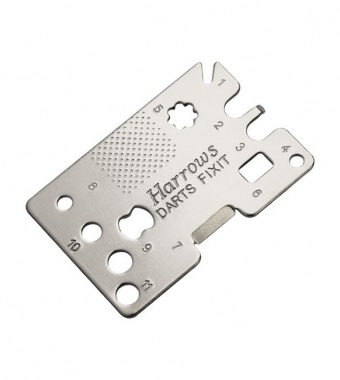
- Tuning tools: Tools, such as wrenches for tightening bits or changing tips, allow players to easily keep their arrows in optimal condition.
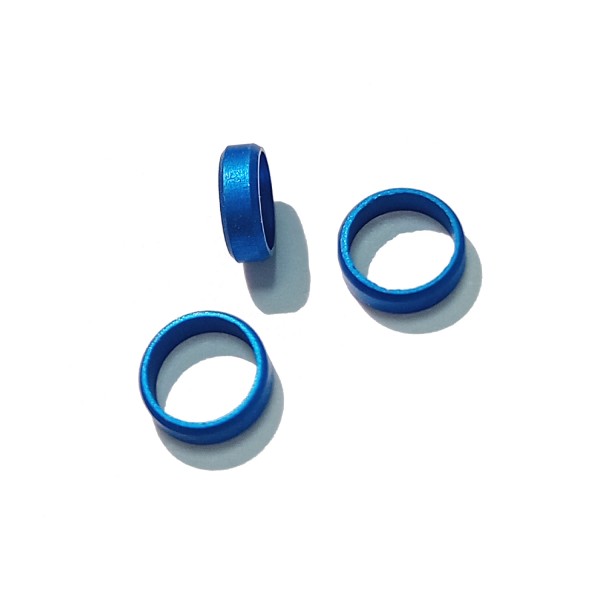
- Rings: These rings allow adding weight to the arrow as well as stabilizing the quill, which can fine-tune the balance and feel during casting, as well as reduce quill drop.
In conclusion, darts and darts equipment in general is a complex tool composed of several parts, each with its own specific function. Understanding each of these parts and the possibility of personalizing them is essential to achieve maximum precision and control during the game. Regardless of experience level, trying out and choosing the right combination of dart parts can significantly improve performance and enjoyment of the game.